
One Community, One Team: Supporting Better Mental Health in Wyndham
Mental health touches every part of our community, individuals, families, friends, workplaces and neighbourhoods.
As Wyndham continues to grow, so too does the importance of ensuring people can access the right information, services and support when they need them.
Wyndham Health Foundation recently sat down with Brendan Pawsey, Executive Director, Mental Health & Wellbeing at Mercy Health Services, to talk about mental health in Wyndham, the importance of early support, the role of community and why we can all play a part in supporting better mental health and wellbeing.
Mental health is a community issue
For Brendan, the importance of mental health starts with recognising just how many people it touches.
Supporting mental health isn’t only about providing clinical services. It also means thinking more broadly about what a healthy and supported community needs, including:
- the right infrastructure and services
- strong community responses
- greater awareness and understanding
- knowing how to support the people around us
- looking after our own health and wellbeing.
A growing community needs services that grow with it
Wyndham is a wonderfully diverse and rapidly growing community, but population growth also brings challenges.
One of those challenges is ensuring mental health services can keep pace with the needs of the community.
As Wyndham grows, people need:
- access to the right information
- the right services at the right time
- enough services to respond to growing demand
- enough people available to provide those services.
Advocating for accessible local mental health services is an important part of supporting the future health and wellbeing of Wyndham.
The earlier the support, the better
Early support and prevention are another important part of the picture.
Providing people with appropriate resources and support early can help them seek assistance before mental health concerns become more significant.
It also means building a community where people know where they can turn for support and feel comfortable doing so.
That first step could be talking to a GP, connecting with an appropriate service, speaking with a family member or friend, or simply starting a conversation with someone you trust.
Sometimes, taking that first step can open the door to further support.
Mental health support can come from many places
There isn’t one pathway to mental health support.
Mercy Mental Health and Wellbeing provides a range of services, including:
- community-based services
- acute response services
- inpatient and hospital-based mental health services.
People may also seek mental health and wellbeing support through their GP and other community-based services.
It’s a reminder that improving mental health outcomes requires a connected system, with different forms of support available depending on what someone needs and where they are in their journey.
We all have a part to play
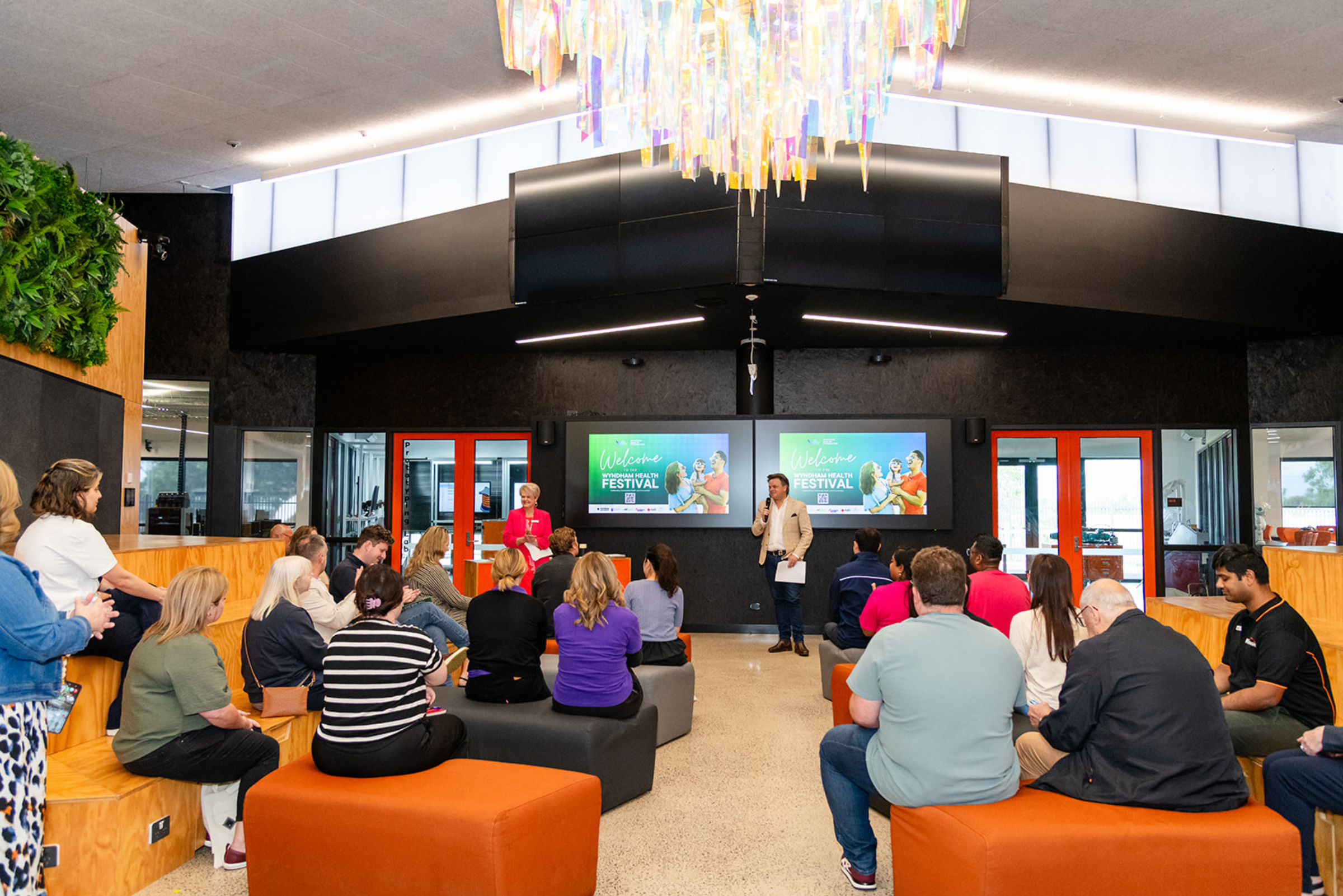
Community events can play an important role in raising awareness and helping reduce the stigma that can still surround conversations about mental health.
By bringing people together, community initiatives can:
- raise awareness
- encourage conversations
- help reduce stigma
- promote greater self-awareness
- help people understand where support is available
- remind us of the role we can all play.
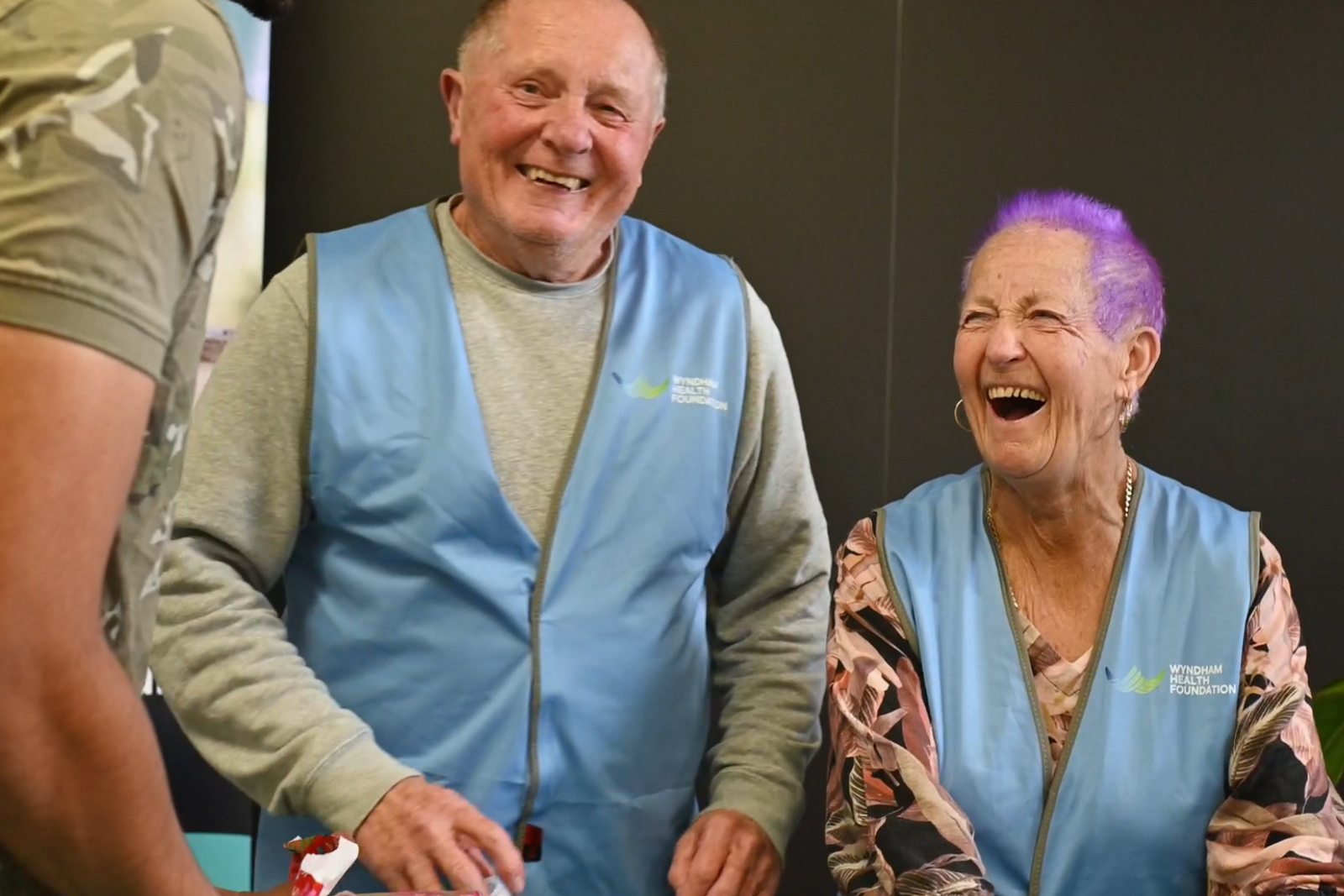
Whether that’s starting a conversation, supporting a friend, getting involved in a community event or helping someone connect with support, small actions can contribute to a more connected and supportive community.
“I’m a really strong believer that the community is one big team, and we all play a part in taking the community forward and helping this city flourish, and all the individuals in that city flourish. We all have a chance to do our small part in improving the mental health and wellbeing of people in our community.”
– Brendan Pawsey, Executive Director, Mental Health & Wellbeing, Mercy Health Services
Mental health matters at every age
Mental health doesn’t belong to one age group.
Children, young people, adults and older people can all experience mental health challenges, making awareness and understanding important across the lifespan.
For younger people, that can include understanding how mental health may affect their friends and peers. For adults, it can mean recognising what’s happening within our families, workplaces and communities and being willing to play a supportive role.
Bringing different generations together and creating opportunities for open conversations can help build greater awareness and understanding across the whole community.
Looking after our whole wellbeing
Supporting our mental health can also be part of the things we do in everyday life.
Thinking about health holistically means recognising the many factors that can contribute to our overall wellbeing, including:
- regular physical activity
- good sleep
- nutrition
- positive relationships
- healthy routines
- taking care of other areas of our overall wellbeing.
It doesn’t necessarily need to be complicated.
For many people, something as simple as going for a regular walk can be an achievable way of incorporating movement and routine into everyday life.
Sometimes it starts with a conversation
For someone who may be struggling but hasn’t yet reached out, knowing where to start can sometimes be difficult.
Support exists, and starting a conversation can be an important first step.
And when we’re concerned about a friend, family member, colleague or neighbour, there are simple things all of us can do:
- Be curious.
- Be caring.
- Be kind.
- Ask if they’re okay.
- Ask if there is anything you can do to help.
- Take the time to listen.
These actions may seem small, but they can help create an environment where someone feels comfortable opening up and knows there is a person they can turn to.
Sometimes, support starts with a conversation.
One community. One team.
Better mental health outcomes aren’t created by one person, organisation or health service alone.
It takes health professionals and services, community organisations, businesses, families, friends, volunteers and individuals all playing their part.
When our community comes together, we can raise awareness, encourage conversations, help reduce stigma and support the services working to improve the health and wellbeing of people across Wyndham.
Bringing our community together at the Wyndham Retro Motor Show
The Outwest Concrete Wyndham Retro Motor Show 2026 is one opportunity for our community to come together around that shared purpose.
More than a celebration of incredible cars, the Motor Show is about bringing people together, creating connection and raising funds for mental health services in the City of Wyndham.
Join us for a great community day and help support better mental health outcomes for people across Wyndham.
Outwest Concrete Wyndham Retro Motor Show 2026
Sunday 15 November 2026
9:00 am–1:00 pm
70 Overton Road, Williams Landing
https://wyndhamretromotorshow.com.au/
One community. One team. We all have a part to play.

___
Need mental health support?
If you or someone you know is experiencing mental health or wellbeing challenges, you don’t have to navigate it alone. Support is available, and speaking with your GP can also be a good place to start.
Local mental health support in Wyndham
Mercy Mental Health and Wellbeing Triage
If you are experiencing mental distress or seeking treatment for a mental health concern, Mercy Health’s Mental Health Triage service is available 24 hours a day, 7 days a week.
📞 1300 657 259
Other support
- Lifeline: 13 11 14 – 24 hours a day, 7 days a week
- SuicideLine Victoria: 1300 651 251 – 24 hours a day, 7 days a week
- Beyond Blue: 1300 22 4636
- Suicide Call Back Service: 1300 659 467
- NURSE-ON-CALL: 1300 60 60 24 – 24 hours a day, 7 days a week
If you or someone else is in immediate danger or needs urgent medical assistance, call Triple Zero (000).
The information in this article is intended to raise awareness and encourage conversations about mental health and wellbeing. It is general information only and is not a substitute for professional medical advice, diagnosis or treatment.